Retatrutide side effects & safety (US): common vs serious, when to seek care
Short answer Retatrutide is an investigational (not FDA-approved) once-weekly injectable medicine being studied for obesity and metabolic…

Short answer Retatrutide is an investigational (not FDA-approved) once-weekly injectable medicine being studied for obesity and metabolic…
In a 48-week phase 2 trial in adults with obesity, once-weekly investigational retatrutide produced dose-dependent weight loss, reaching an average ~24% reduction at the highest studied dose; longer-term safety, durability, and hard outcomes (like cardiovascular events) are still being studied.
Retatrutide is an investigational once-weekly injection being studied for obesity and related conditions. In a phase 2 trial, higher doses produced large average weight loss at 48 weeks, but gastrointestinal side effects were common and heart rate increased in a dose-related way. Retatrutide is not FDA-approved for weight loss as of 2026, and access is generally limited to clinical trials.
The most common GLP‑1 medication side effects are gastrointestinal—nausea, diarrhea, constipation, and vomiting—especially when starting treatment or increasing the dose. Less common but serious risks include pancreatitis, gallbladder disease, dehydration-related kidney injury, and severe allergic reactions. Follow your prescriber’s titration plan and seek urgent care for severe abdominal pain, trouble breathing, or inability to keep fluids down.
Compounded semaglutide or tirzepatide is not the same as the FDA-approved brands (Wegovy/Ozempic and Zepbound/Mounjaro). The FDA has warned about dosing errors, quality issues, and some compounded products using different forms of semaglutide (salts). Patients considering compounded GLP‑1 medications due to cost or availability should verify the pharmacy’s credentials, understand dosing clearly, and review risks and alternatives with a licensed clinician.
Mounjaro and Zepbound both contain tirzepatide, a once-weekly dual GIP/GLP‑1 receptor agonist. Mounjaro is FDA-approved for type 2 diabetes, while Zepbound is FDA-approved for chronic weight management. The best choice depends on your diagnosis, treatment goals, safety profile, and insurance coverage.
Ozempic and Wegovy both contain semaglutide, but they are FDA-approved for different primary uses and have different dose targets. Ozempic is approved for type 2 diabetes (and cardiovascular risk reduction in certain adults with type 2 diabetes), while Wegovy is approved for chronic weight management in adults with obesity or overweight with a weight-related condition. Because the pens and dosing schedules differ, a clinician should guide selection and dosing.
Wegovy (semaglutide) and Zepbound (tirzepatide) are FDA-approved once-weekly injections for chronic weight management in U.S. adults with obesity or overweight with a weight-related condition. Wegovy targets GLP‑1, while Zepbound targets both GIP and GLP‑1; in clinical studies, tirzepatide generally produced greater average weight loss, but tolerability, contraindications, availability, and insurance coverage often determine the best choice for an individual.
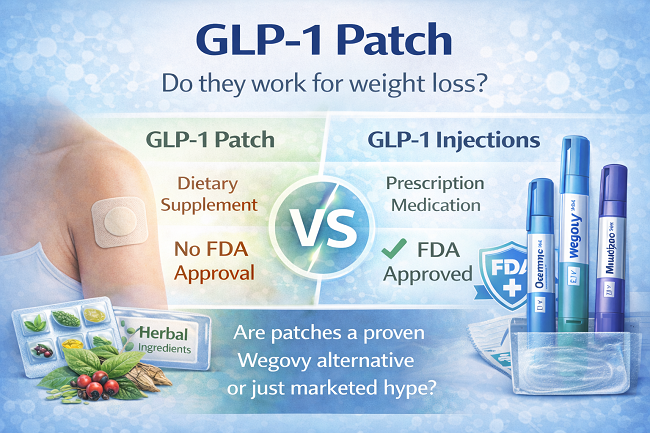
The conversation around weight management has increasingly focused on GLP-1 receptor agonists, a class of medications known…
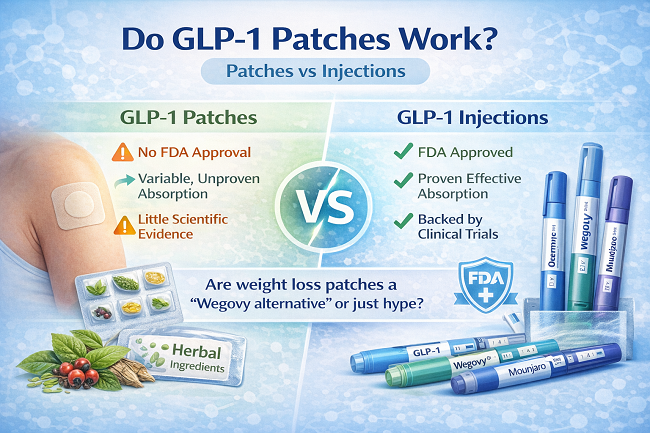
Researchers are increasingly focusing the conversation around weight management on GLP-1 receptor agonists. Medications like Ozempic, Wegovy,…